Parents do not always think of the dentist’s office as a place to learn about their child’s sleep habits. But sometimes, small clues during a dental checkup can point to deeper things happening at home, like how well a child is sleeping through the night. At New Life Dental Arts, we have had many conversations start right in the exam chair when something looks off with a child’s bite or breathing pattern.
Kids who are often tired, snore while sleeping, or breathe through their mouth during the day may be showing signs of something more. That is why our approach to Lake Stevens Family and Cosmetic Dentistry includes more than just cleanings and cavity checks. We pay attention to things that might not seem obvious at first but could make a big difference in your child’s day-to-day life.
How Your Dentist Notices Sleep Concerns During a Routine Visit
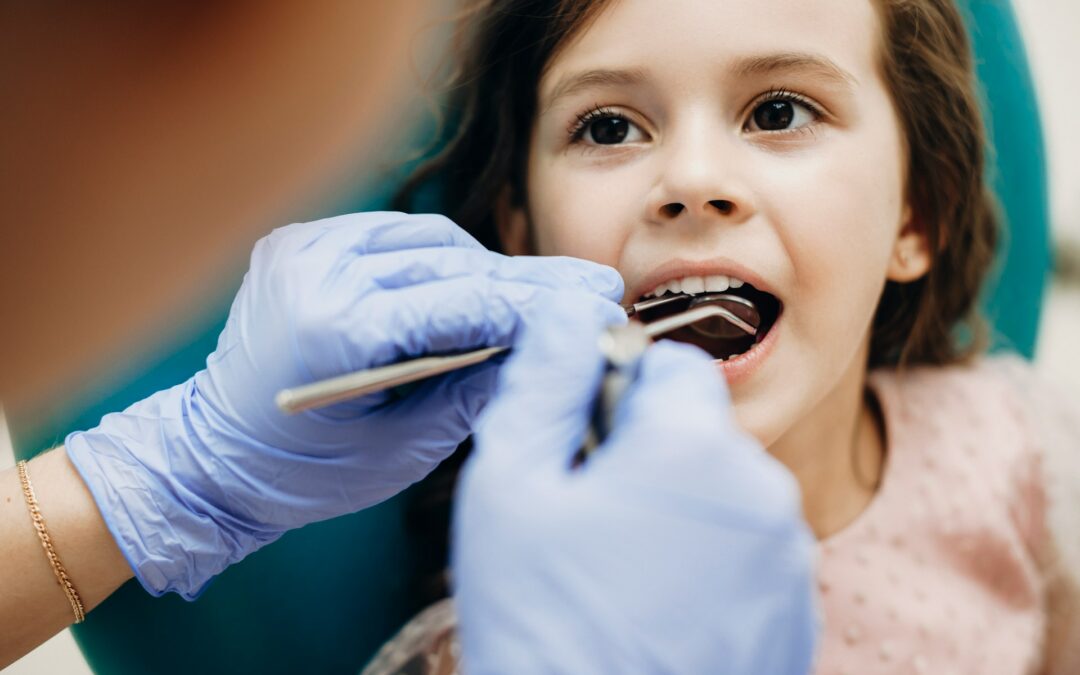
During a standard checkup, we see a lot more than just teeth. As we examine the mouth, jaw, and bite, there are often subtle hints that a child might not be sleeping as well as they should be. Most parents are not looking for these patterns, but we are trained to see them.
Here are a few things we look for during routine visits that can point to a sleep concern:
- Worn-down teeth, which can be a sign of nighttime grinding
- Unusually dry mouth, which may mean they are breathing through their mouth while sleeping
- Jaw development problems or bite issues that do not line up the way they should
We also ask questions about grinding, like if anyone in the house hears clicking at night or if your child wakes up complaining about jaw pain. A few simple observations combined with a short conversation often give parents new insight into what might be going on.
Common Signs That Might Point to a Sleep Issue
Sometimes the way a child breathes or holds their mouth can create challenges with sleep that go unnoticed for years. These patterns are not always painful, but they can quietly affect how a child feels throughout the day.
We often notice things like:
- Breathing through the mouth regularly, instead of through the nose
- Narrow dental arches, where the upper jaw is shaped in a way that may limit airflow
- Crowding in the mouth or small airways that show up on X-rays
Clenching or grinding during sleep is another red flag. It puts extra stress on the jaw and can be a reason a child wakes up feeling more tired than rested. Grinding might seem like a small issue, but it often links back to how much oxygen a child is getting at night. That is why something simple during a dental visit may end up sparking a helpful conversation.
Why Early Attention Makes a Big Difference
When sleep problems are caught early, it is easier for families to take the next step. Sometimes what seems like bad sleep is part of a deeper pattern that is affecting more than just rest. It can connect to mood changes, problems focusing at school, or constant tiredness that makes everything feel harder.
Bringing up these signs early allows time to watch how things develop, without feeling rushed or overwhelmed. The younger a child is when changes are noticed, the simpler it usually is to guide things in the right direction. Whether it is the way the jaw is forming or how a child breathes at night, small changes now can help prevent bigger problems later on.
A child’s mouth, face, and sleep habits are all connected in ways that sometimes get overlooked. That is why slowing down during a dental visit to look for these clues is more helpful than most people think.
What Happens After the Dentist Notices Something
If we spot something that does not look quite right, we do not jump to conclusions. We start by asking a few more questions. You might hear us ask about mouth breathing at night, or whether your child snores often. We may also ask if mornings are tough or if your child seems wiped out during the day.
From there, a few possibilities can happen:
- We keep an eye on your child’s growth patterns and check again at the next visit
- We suggest talking with your doctor if things point toward a possible sleep issue
- We explain what could be happening and go over ways to support better breathing and rest
Our goal is never to cause stress. We try to open the door to a better understanding of what is going on. Sometimes that means putting a few puzzle pieces together between us, your doctor, or other specialists to get your child the best care moving forward.
Spotting Sleep Trouble Early Can Make Life Easier
Regular dental visits do not just keep teeth clean, they build a record over time that helps us see small changes. That is why we are often the first ones to notice if something seems off. When we notice a pattern or a behavior that looks connected to sleeping habits, it gives families a chance to act sooner.
Here is the good that can come from early attention:
- It can help head off problems that affect speech, learning, and growth
- Kids may feel happier, more focused, and less cranky during the day
- It offers peace of mind when parents know what to watch for
Checking a child’s mouth, bite, and airway regularly means we can support their health in ways that go beyond teeth. A dental visit can become an early step in helping your child feel better, sleep better, and enjoy daily life with more energy. We are here to help make those connections clear.
Noticing signs like snoring, mouth breathing, or tired mornings in your child means we are ready to check what might be going on. During routine visits, we take a closer look at how their bite, airway, and sleep habits connect to overall wellness. Our approach to Lake Stevens Family and Cosmetic Dentistry means we watch for early clues so we can guide families with care. At New Life Dental Arts, we believe these gentle insights can make a big difference, so call us to schedule your child’s next visit.